

Not all warehouse safety systems are created equal.
When evaluating motion-sensing alert systems, many facilities focus on one question: “Will it work?” But the better question is: “Will it work for our specific layout, traffic patterns, and risk zones?”
Choosing the right motion-sensing safety system means understanding how traffic flows through your facility and matching the technology to those realities. This guide walks through the key factors to consider when selecting the best solution for your warehouse.
-
Start With Traffic Type
Before choosing a system, identify who (or what) is moving through the area.
- Forklift-to-forklift traffic
- Forklift-to-pedestrian interaction
- Mixed-use zones (pallet jacks, carts, maintenance vehicles)
High-speed forklift intersections require broader detection coverage than slower pedestrian corridors. Mixed-use areas often benefit from multi-directional alerts that notify everyone in the zone.
The goal is simple: to improve awareness for all parties entering or traversing through the risk area.
-
Determine Direction of Coverage: One-Way vs Two-Way vs Four-Way
Not every intersection requires the same level of coverage. Let’s break it down:
One-Way Traffic
Ideal for:
- Predictable forklift exit points
- End-of-rack aisles
- Controlled flow zones
A single-sensor unit can detect motion from one direction and alert cross-traffic efficiently and cost-effectively. These would be units such as our Basics, which detect on one side and alert on the other.
Two-Way Traffic
Ideal for:
- 90° blind spots
- Cross aisles & Rack ends
• Exterior blind corners
Two-direction systems, such as our Look Out 1 and Look Out 2, and for exterior use exterior use a Look Out 1 EXT, all monitor both approaches and create shared visibility for opposing traffic.
Three-Way Traffic
Ideal for:
- Busy three-way intersections through overhead door openings
- T-Intersections at the end of rack aisles and hallways
A three-direction system, such as a Look Out 3, provides coverage for the through-way along with the middle section that would otherwise have limited or no visibility of the through-way.
Four-Way Traffic
Ideal for:
- Main warehouse arteries
- High-traffic cross points and overhead doorways
A four-direction system, such as an Overhead Door 4 or Look Out 4, provide 360° detection ensuring every approach is covered.
Choosing the right configuration prevents overspending in low-risk areas while ensuring robust coverage in high-risk zones.
-
Indoor vs Outdoor Considerations
Environmental conditions matter. Indoor environments typically allow for straightforward installation, stable lighting, and predictable detection ranges. However, Outdoor or indoor-to-outdoor transitions introduce additional variables:
- Sunlight glare
- Shadows
- Weather exposure
- Temperature fluctuations
Units designed for dual-use or exterior mounting must withstand these variables while maintaining reliable detection. Evaluating placement ahead of time ensures your system performs consistently in real-world conditions.
Our Dual Use line of units are made to fit one-way to way-way traffic patterns while meeting conditions to function both inside and outdoors!
-
Mounting Options: Overhead, Rack-Mounted, or Wall-Mounted
Where you mount the system effects both visibility and coverage.
Overhead Mounted – Ceiling Hung
- Ideal for multi-direction intersections
- Provides central visibility
- Covers broader areas from above
Alternatively, you can utilize our Rack Mount Arm to create an easy installation for you and your team to circumvent the need to hang the unit from the ceiling.
Rack-Mounted
- Perfect for aisle ends
- Minimal footprint
- Directly aligned with blind corners
Wall-Mounted
- Useful near machinery, doors, overhead doors, or tight corridors
- Great for fixed traffic lanes
The best solution is often determined by physical layout, ceiling height, and structural access, not just budget.
-
Detection & Alert Type
Motion-sensing safety systems typically use real-time detection to activate:
- High-visibility flashing LED lights
- Audible alarms (optional in many applications)
Visual alerts create immediate awareness across the zone. Audible alerts can add reinforcement in high-noise environments.
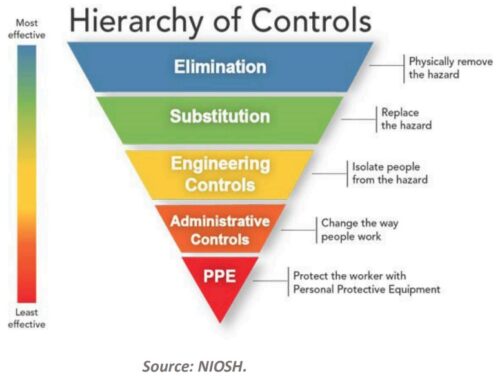
Importantly, these systems function as engineering-based safety enhancements, aligning with OSHA’s Hierarchy of Controls by adding a physical layer of hazard awareness rather than relying solely on signage or training.
-
Installation & Scalability
A common misconception is that safety technology must be complex. Our motion sensing systems are:
- Plug-and-play
- Powered by standard 110/120V outlets
- Modular and expandable
This allows facilities to start small, protecting one or two intersections at first, and later scaling outward over time. Scalability is especially important for growing warehouses or operations undergoing layout changes.
Matching the System to the Risk
The “right” motion-sensing safety system isn’t about having the most features; it’s about having the right coverage in the right places.
Ask yourself:
- Where does cross-traffic occur?
- Where are sightlines blocked?
- Where have near misses happened?
- Are traffic patterns predictable or variable?
- Then select the system configuration that aligns with those answers.
When thoughtfully deployed, motion-sensing alert systems improve visibility, enhance awareness, and support safer movement across the floor for forklift operators, pedestrians, and everyone in between.
If you want an easy way to get the ball rolling, feel free to use our Warehouse Safety Checklist.
Safer warehouses start with smarter visibility.
Explore how our products keep everyone alert, not just the person behind the wheel, and contact us today!